
Three Overlooked SCOTUS Cases This Term
And Why They Matter
Fresh off the last week of Supreme Court opinions, most courtwatchers are discussing birthright citizenship, the Federal Reserve, or transgender athletes. During the rest of its term, the Court also decided dozens of cases with just as much, if not more, importance. Those “overlooked” decisions were controversial enough to reach the Court and featured in many previews of the Court’s term, yet have been largely forgotten in just the few months following their decision.
Here are three cases that flew under the radar but will shape the law for years to come.
1. Bost v. Illinois State Board of Elections (Jan. 14)
After the Court’s decision in Watson v. RNC, this case has become “the other election law case.” Unlike Watson, this Bost was not closely decided (7-2) and involved a more commonplace issue than the meaning of “Election Day”: Article III standing. However commonplace, this issue is far from unimportant. Readers may recall the vast majority of cases challenging the 2020 election results lost on precisely this issue. Standing, though less flashy and understandable than the meaning of “Election Day,” is one of the main barriers to challenging election results in court. Or at least it was.
Like many states, Illinois counted mail-in ballots received up to two weeks after Election Day if postmarked in a timely fashion. The Court held that candidates for office have Article III standing to sue over ballot-counting rules in their own elections, even without proving the rules changed the outcome. While the ruling did not lead to any dramatic result for Illinois, the reasoning can (and will) be used to launch a flurry of pre- and post-election challenges to mail-in ballot results, and opens the door that the Trump 2020 campaign was fruitlessly banging on six years ago.
2. Chiles v. Salazar (Mar. 31)
If any one case here should have received more attention from the media, it’s Chiles. The case pitted core First Amendment principles against Colorado’s efforts to advance its notoriously ideological LGBTQ agenda. In an 8-1 ruling released on “International Transgender Day of Visibility,” the majority struck down the law and dealt Colorado its third loss in as many years from the Court.
Kaley Chiles, a licensed mental-health counselor who practices exclusively through talk therapy, sued Colorado preemptively in 2022. She argued 2019 Minor Conversion Therapy Law violated her free speech rights by discriminating against her and her clients’ viewpoint. Chiles does not prescribe medications, use aversive techniques, or impose her own goals on clients, but helps them work towards their own goals, which often includes reaffirming that they are the sex they were born as.
In March, Justice Gorsuch wrote for nearly unanimous Court that Chiles’s talk therapy is protected speech that enjoys the strict scrutiny required by the First Amendment. Drawing heavily on its decision in NIFLA v. Becerra (2018), the Court rejected the idea that labeling speech “therapy” or “treatment” strips it of protection. “The spoken word is perhaps the quintessential form of protected speech,” Gorsuch wrote. Colorado’s defense of the law as a licensing scheme did not convince the Court. The majority dismissed arguments that this was mere incidental regulation of conduct, noting that Chiles engaged in no physical procedures. It also declined to create a broad “professional speech” exception for “substandard care” delivered through words. While the case did not strike down the law, it applied strict scrutiny, likely a fatal blow to Colorado that calls into question a whole host of laws in blue states.
Not four months later, legal advocacy groups are using Chiles as a launchpad for First Amendment challenges to overly restrictive licensing laws. Last week, the Eighth Circuit remanded a case from Missouri in which two counselors challenged local ordinances controlling their speech. Representing the counselors, the Alliance Defending Freedom, which won Chiles, said “decision gives the district court the opportunity to fully uphold counselors’ freedom of speech and the freedom of families and young people to pursue counselors of their choice, and we hope it will do so.” With over 23 states enforcing similar laws to the one in Chiles, the decision’s effects are already sweeping across the country.
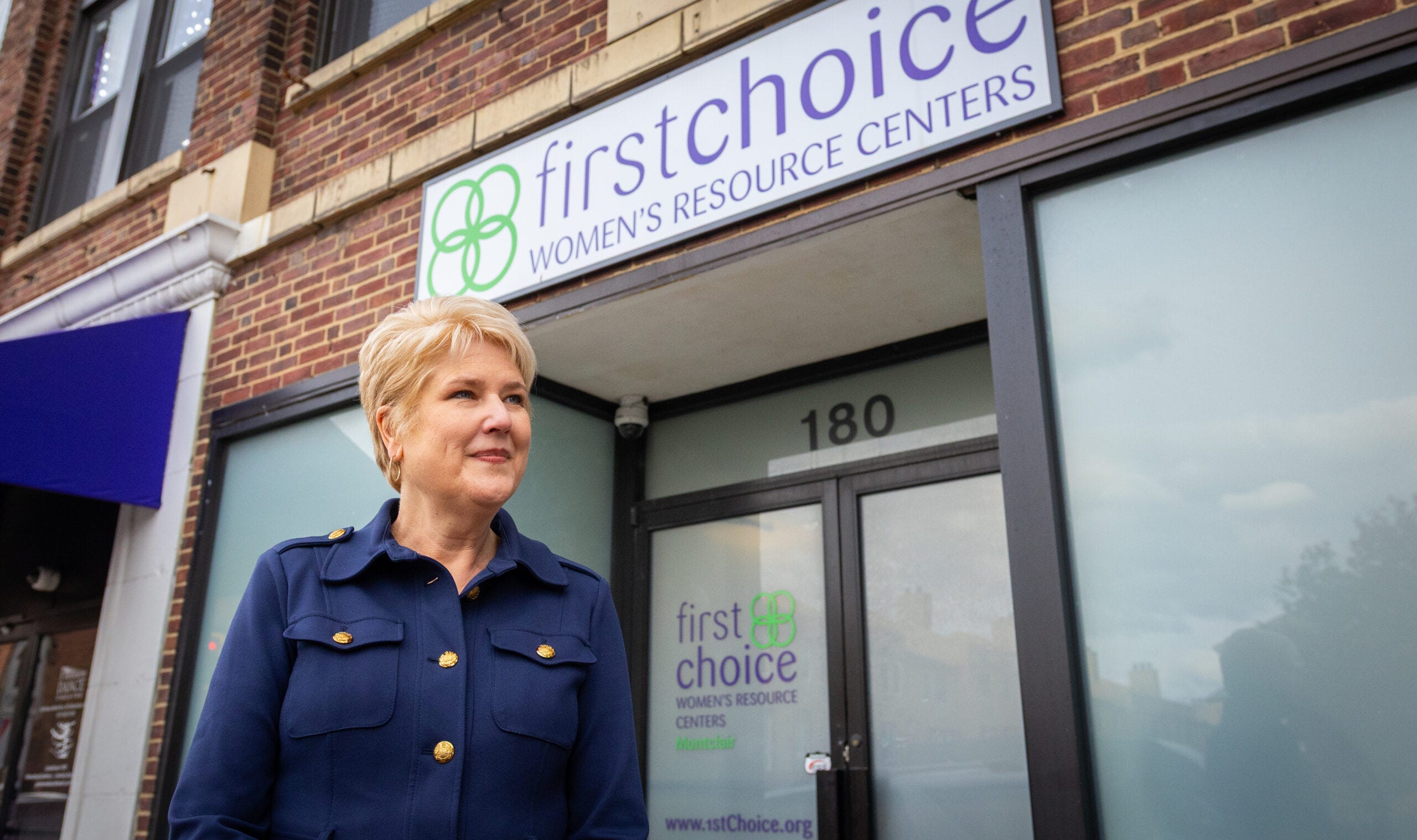
3. First Choice Women’s Resource Centers, Inc. v. Davenport (Apr. 29)
Moving on from the Free Speech Clause but staying in the First Amendment, we come to First Choice. While last on this list, this case is not least in any sense. Before it was decided, many courtwatchers had it in their sights as a major case, only to brush past it once the Court handed it down in April.
First Choice Women’s Resource Centers, a faith-based network of pro-life pregnancy centers that has served families in New Jersey since 1985, faced a sweeping investigatory subpoena from the state Attorney General. The demand sought years of donor names, contact information, employment details, and internal documents, all clearly an attempt to wage a basic kind of lawfare against the organization for its views. First Choice does not perform or refer for abortions, an approach out of favor with the state AG’s office. The group sued preemptively arguing the subpoena violated its First Amendment rights to free association and donor privacy by targeting it for its pro-life message.
In April, Justice Gorsuch (again) delivered a unanimous opinion holding that First Choice had Article III standing to challenge the subpoena in federal court without waiting for its enforcement. Drawing on precedents protecting associational rights against compelled disclosure, the Court recognized the immediate chilling injury: the mere demand for private donor information burdens the group’s ability to speak and associate freely. The majority rejected efforts to force these claims into state proceedings first, emphasizing that federal courts must remain open to pre-enforcement First Amendment challenges. “By restricting how First Choice may interact privately with its donors, the Attorney General’s subpoena burdened First Choice’s associational rights,” Gorsuch explained. The ruling reaffirmed that labeling an investigation “consumer protection” or “reproductive rights” does not immunize viewpoint discrimination or overbroad demands that deter support for unpopular causes. While the decision focused on standing, it clears the way for a full airing of First Choice’s claims and calls into question similar tactics used by activist attorneys general against pregnancy centers nationwide.
Looking Ahead
Ironically, each of the above cases - Bost, Chiles, and First Choice - were forecasted as major cases to watch last year. Chiles appeared in many term previews, including The Federalist Society’s. Once decided, the cases generated few headlines and were quickly overlooked. Part of this switch was the legal reasoning in each, with each case deciding only what it had to. Another is their margin and the low number of opinions written (no more than the three in Bost, compared to the six in Barbara). Nevertheless, each case is still as monumental as predicted last year, and the silence surrounding them speaks to a Supreme Court commentary class that places passion over substance.
While the Court does save the most controversial cases for last, those cases are not always the most important. Bost, Chiles, and First Choice may not lead to any outraged op-eds or constitutional amendments, but they each straightened out a crooked corner of the law. For people like Ms. Chiles or the beneficiaries of First Choice’s services, the above trio of cases mean everything.
Thanks for reading Emergency Docket. Please subscribe to continue reading.


